Need stump grinding in Denver?
Tell us about your tree and request an estimate. A local provider from our network will follow up with questions and a written quote.
No obligation
Request your stump grinding estimate
A stump is what stays behind after a tree comes down. It sits in the lawn, catches mower blades and trips kids and visitors. Over time it rots, draws insects and sends up new shoots. Stump grinding uses a machine to cut the stump below ground level, so you can plant grass or build on the spot.
Thrownopportunities Tree Service is a referral service. We connect homeowners in Denver and the Denver area with independent local providers who do the grinding. If this is your first time, we explain each step in plain words. Plain answers first. Then you can request an estimate, compare what providers offer, and pick the one that fits your yard and your schedule.
If a tree has come down on your property, the stump is the part that stays. It may look harmless. It rarely is. Stump grinding is the usual way to deal with it, and local providers in our network do this work every season.
This page is written for first-timers. We keep the steps short and the words plain.
The most urgent problem is safety. A stump cut close to the ground is easy to miss in tall grass or under a layer of snow. Kids, guests and pets can fall over it. Mower blades and string trimmers can hit it and throw debris.
If the stump sits near a walkway, a play area or a driveway, put it near the top of your list.
A dying stump holds moisture inside, even in dry air. That soft wood can attract ants, termites and beetles. Some stumps also push up new sprouts for years. You can cut them back, but they keep returning until the stump is gone.
Pests that settle in a stump can move on to nearby fences, sheds and wood siding. That matters on homes with frame construction and wood exteriors.
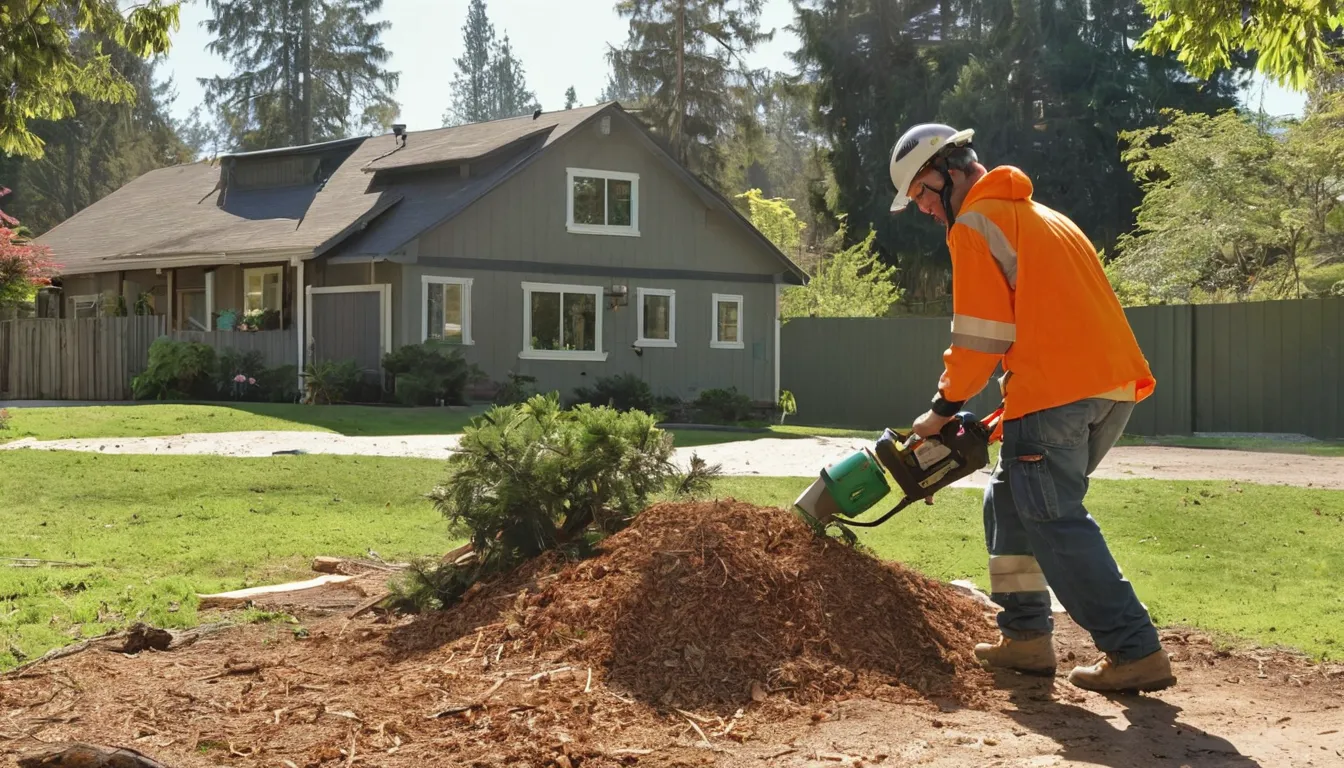
A provider brings a grinder with a spinning cutting wheel. The operator sweeps the wheel back and forth across the stump. It shaves the wood into small chips, a little at a time.
Most providers grind several inches below the surface. Many go deeper if you plan to plant a tree or lay sod. Tell the provider what you want the spot to become. That decides the depth.
Grinding and removal are not the same job. Grinding cuts the stump down but leaves most roots in the soil. They break down slowly over the years.
Full removal digs out the stump and the main roots. It takes heavier equipment and leaves a large hole. It is usually only needed when you are pouring a slab or building right where the stump sits.
For lawns, gardens and most yards, grinding is the simpler choice. Ask the provider which one fits your plan.
Heavy snow loads, hail and spring winds can bring trees down fast. After emergency tree removal or storm tree clearance, crews often cut the trunk high or low and leave the stump for later. That is normal. Clearing the danger comes first.
Once the area is safe and the cleanup is done, you can schedule the stump on its own. A tree falling service may also leave a ragged stump from a broken trunk. Grinding evens that out.
If your insurance paperwork is still open, keep the stump until you have photos. Some policies may cover sudden storm damage, so check your policy. Providers can often help document damage for a claim.
Maybe the stump has been there for years. Maybe it came with the house. Older stumps are often dry and hard, or soft and crumbly in the middle. Either kind can be ground.
Some old stumps have fungus, hollow spots or big surface roots. Mention this when you request an estimate. Photos help providers give a more accurate quote.
Price depends on stump width, the number of stumps and the type of wood. Hardwood takes longer than softwood. Roots that rise above the soil add time. So does a tight gate, a steep slope or soft ground that limits machine access.
Many providers charge by the inch of stump width, with a minimum visit fee. Grinding several stumps in one visit often costs less per stump. Always ask for the quote in writing.
A little prep keeps things smooth. Here is a simple list:
Providers usually check for rocks, metal and wire in the stump. Tell them about any old fence nails or ties you know of.
The grinder is loud, and chips can fly. The operator will set up a safe zone. Stay inside or well back. A single stump often takes under an hour once the machine is in place. Larger ones take longer.
When it is done, you will see a pile of wood chips and a shallow dip in the ground.
You have a few choices. Many providers will haul the chips away for an added fee. Or keep them and use them as mulch around trees and beds. Fresh chips work well on paths and planting beds, not piled against the house.
If you want a flat lawn, ask the provider to fill the hole with chips and top it with soil.
This is where the "fix it, then maintain" habit pays off. Fill the hole with clean topsoil. Press it down and water it lightly. Add grass seed or sod when the weather is mild.
Watch for sprouts from leftover roots for a season or two. Snip them as they appear. Check the spot after the fast spring melt, because the soil can settle and leave a dip.
Strong sun and dry air at altitude can bake fresh soil. Water new seed or sod often until it takes hold. A healthy yard keeps a calm home.
Before you agree to anything, ask a few plain questions:
Providers are independent, so each one answers differently. Compare two or three if you can.
You do not need to know every detail yet. Tell us where you are, how many stumps you have and what you plan for the spot. Then request an estimate, and a local provider in our network can take it from there.
A provider cuts the stump below ground level so your lawn is smooth and safe again.
Have several stumps from past removals? Providers can often grind them all in one visit.
Surface roots that block mowing or paving can be ground down along with the main stump.
Ask about raking, hauling away chips, or leaving them as mulch and topping the hole with soil.
These are typical U.S. ranges and they vary by job, wood type and access. Your real price depends on your stump, so always ask the provider for a written quote.
| Item | Typical range | Notes |
|---|---|---|
| Small stump (under 12 in.) | $100 – $250 | Often the minimum visit fee applies |
| Medium stump (12–24 in.) | $150 – $400 | Hardwood can cost more than softwood |
| Large stump (over 24 in.) | $300 – $800 | Wide stumps take longer to grind |
| Several stumps, one visit | $250 – $1,000 | Per-stump price often drops |
| Extra root cutting | $50 – $300 | Depends on how many roots show |
| Chip haul-away and fill soil | $50 – $250 | Optional; ask if it is included |
Tell us how many stumps you have, roughly how wide they are, and where they sit.
A provider in our network reviews your request and contacts you.
Compare the written price, grinding depth and cleanup before you agree.
The provider grinds the stump, then you fill, seed and water the spot.
We explain grinding, depth and cleanup in simple words so first-timers know what to ask.
Independent providers in our network know local soil and seasons.
Send one request and compare options without any pressure or obligation.
Simple habits help the grinding spot heal and stay tidy.
Tell us about your tree and request an estimate. A local provider from our network will follow up with questions and a written quote.
A single average stump often takes under an hour once the machine is in place. Large stumps, many roots or tight access can add time. The provider can give a better idea after seeing photos.
Yes, in most cases. Ask the provider to grind deeper if you plan a new tree. Fill the hole with clean topsoil, then seed or sod the area once weather is mild.
Usually yes, once the area is safe and any insurance photos are taken. Some policies may cover sudden storm damage, so check your policy. Providers can often help document damage for a claim.
Tell us about your tree and request an estimate. A local provider from our network will follow up with questions and a written quote.
No obligation